
Optimal Seasons for Tree Trimming
Tree trimmings are an essential part of maintaining healthy and attractive trees. Proper timing ensures optimal growth, disease prevention, and safety. Understanding the best seasons for trimming can improve tree health and aesthetics.
Ideal for shaping trees and removing dead or damaged branches after dormancy. Promotes healthy growth during the active season.
Used to control growth and improve air circulation. Best done early in the season to prevent pests and diseases.
Prepares trees for winter by reducing risk of storm damage. Avoid heavy trimming late in the season to prevent stress.
Suitable for dormant trees, minimizing stress and allowing for safer, more precise cuts.
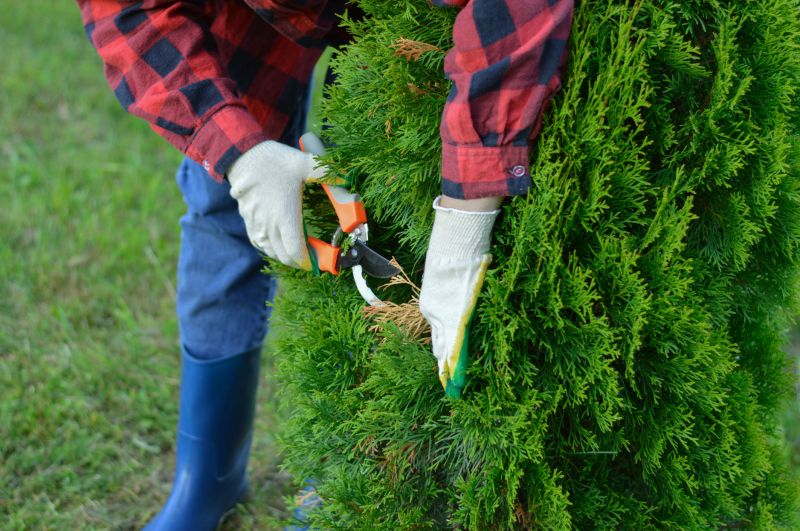
Pruning during early spring encourages vigorous growth.
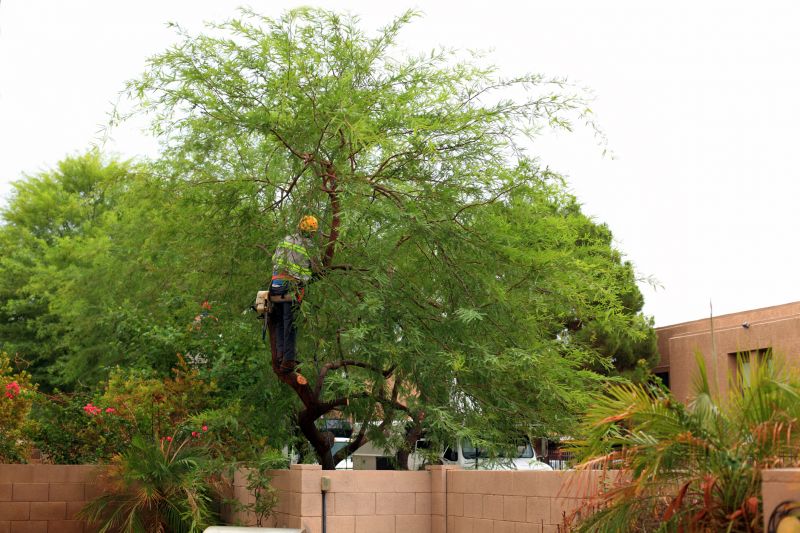
Maintains tree shape and health during the growing season.
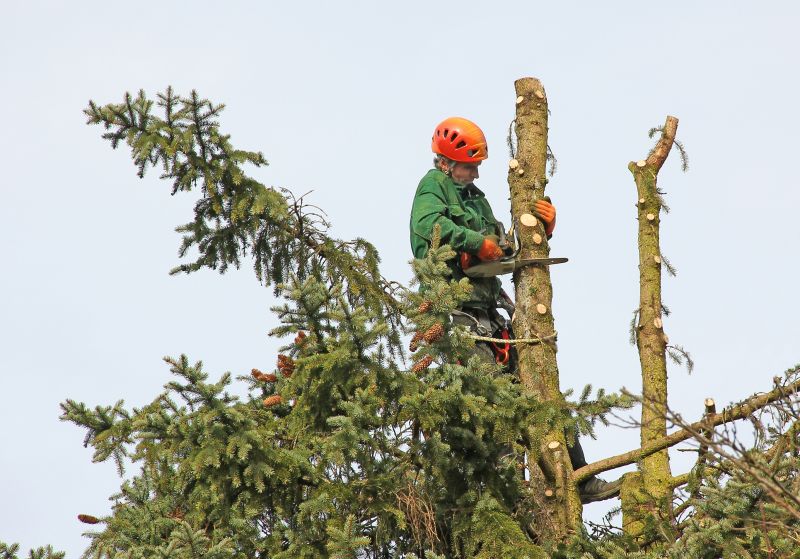
Prepares trees for winter and reduces storm damage risk.
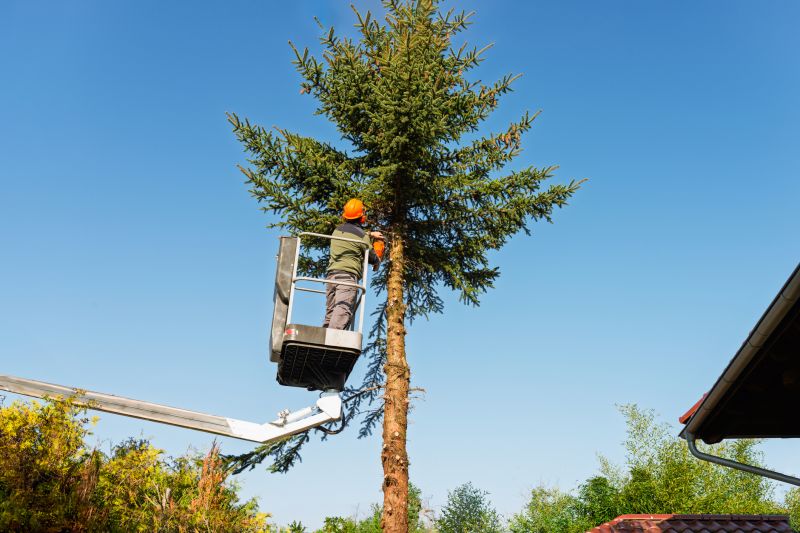
Ways to make Tree Trimmings work in tight or awkward layouts.
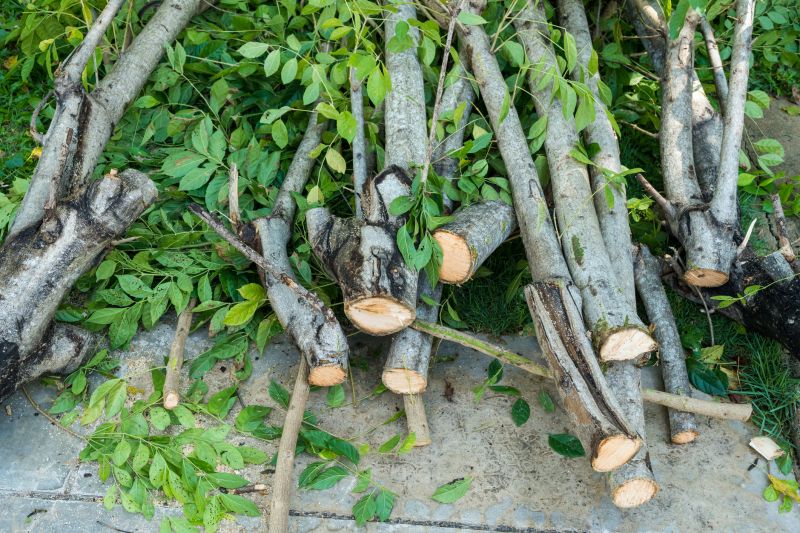
Popular materials for Tree Trimmings and why they hold up over time.
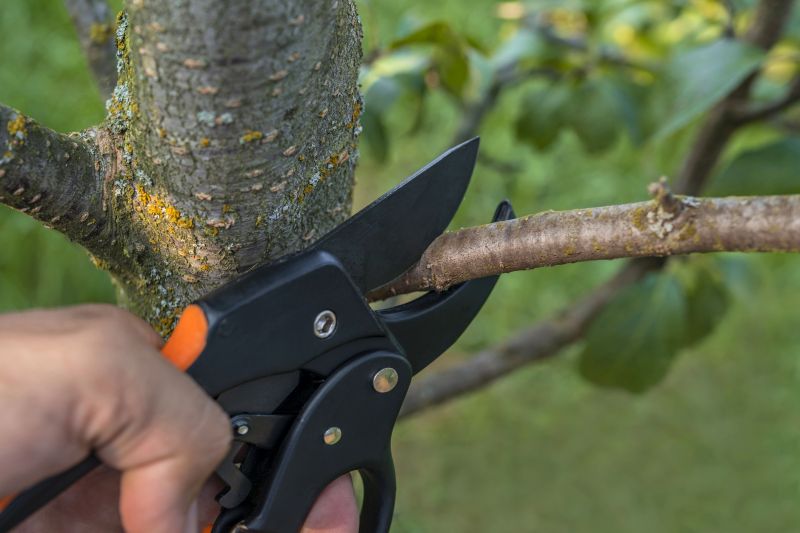
Simple add-ons that improve Tree Trimmings without blowing the budget.
| Tree Type | Best Trimming Season |
|---|---|
| Deciduous Trees | Early spring or late winter |
| Evergreen Trees | Late winter or early spring |
| Fruit Trees | Late winter before bud break |
| Shade Trees | Spring or early summer |
| Ornamental Trees | Depends on species, typically spring or fall |
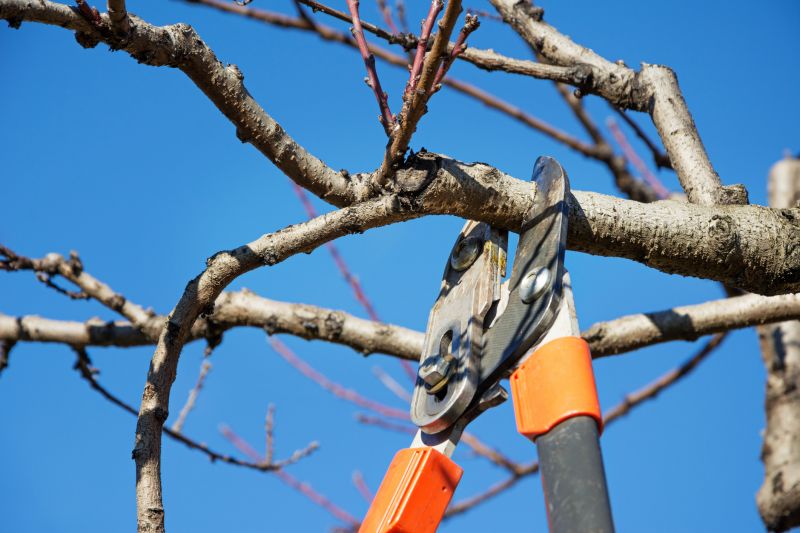
Pruning encourages strong, healthy growth patterns.
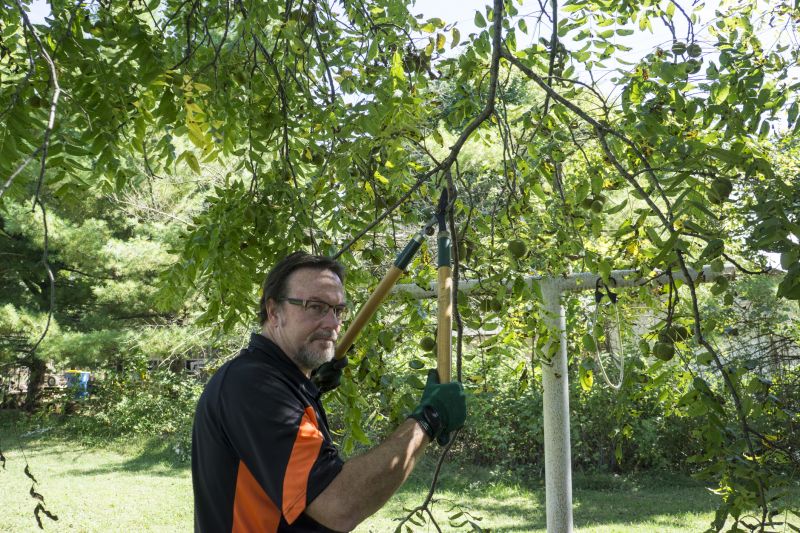
Timely trimming helps prevent the spread of pests and diseases.
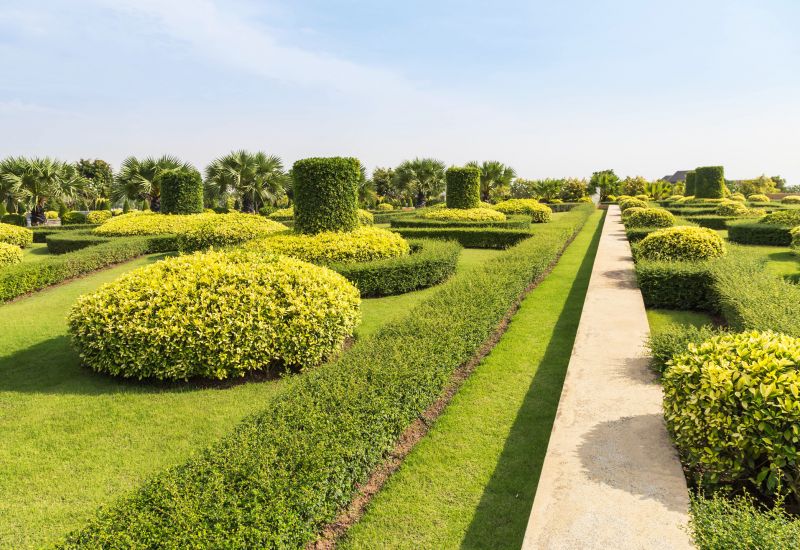
Proper trimming maintains desired shape and appearance.
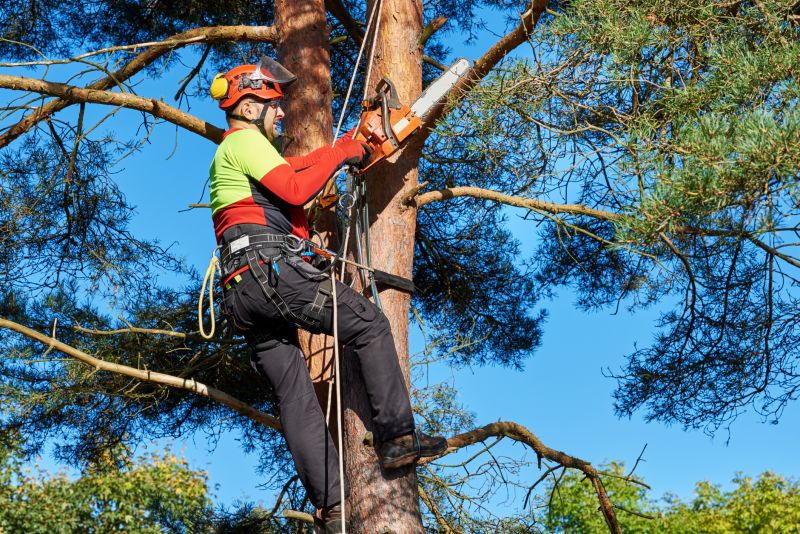
Removing hazardous branches reduces risk during storms.
Understanding the optimal timing for tree trimmings can significantly impact tree health and safety. Consulting with professional arborists or local guidelines can help determine the best schedule for specific tree types and regional climate conditions.
Interested in scheduling tree trimmings? Fill out the contact form for professional assistance in Lawrenceville, GA.